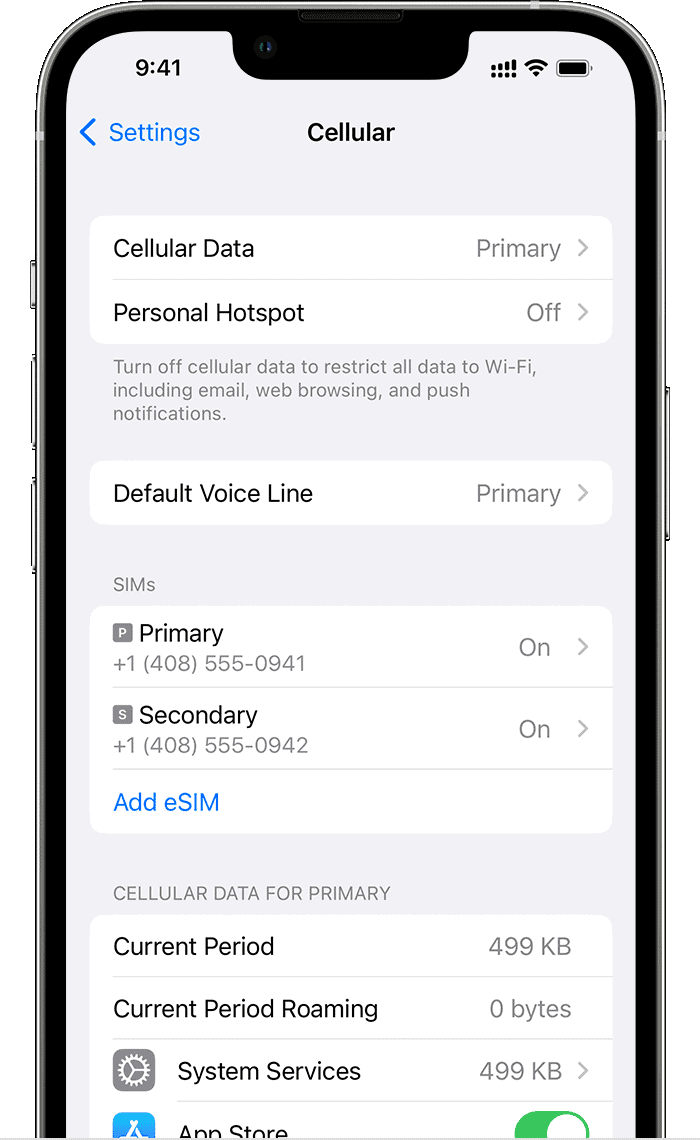
Unlike traditional SIM cards, eSIMs are built into your iPhone (so you don’t need a physical nano-SIM). To check if your eSIM is activated, go to Settings and select “Cellular.” You’ll see all your cellular plans listed under your carrier’s name.
The status will show if the eSIM is active. If you have the option to add an eSIM instead of an existing plan, it means your eSIM isn’t activated yet. Once you’re familiar with these steps, you can easily manage your eSIM to switch between carriers or plans directly from your iPhone.
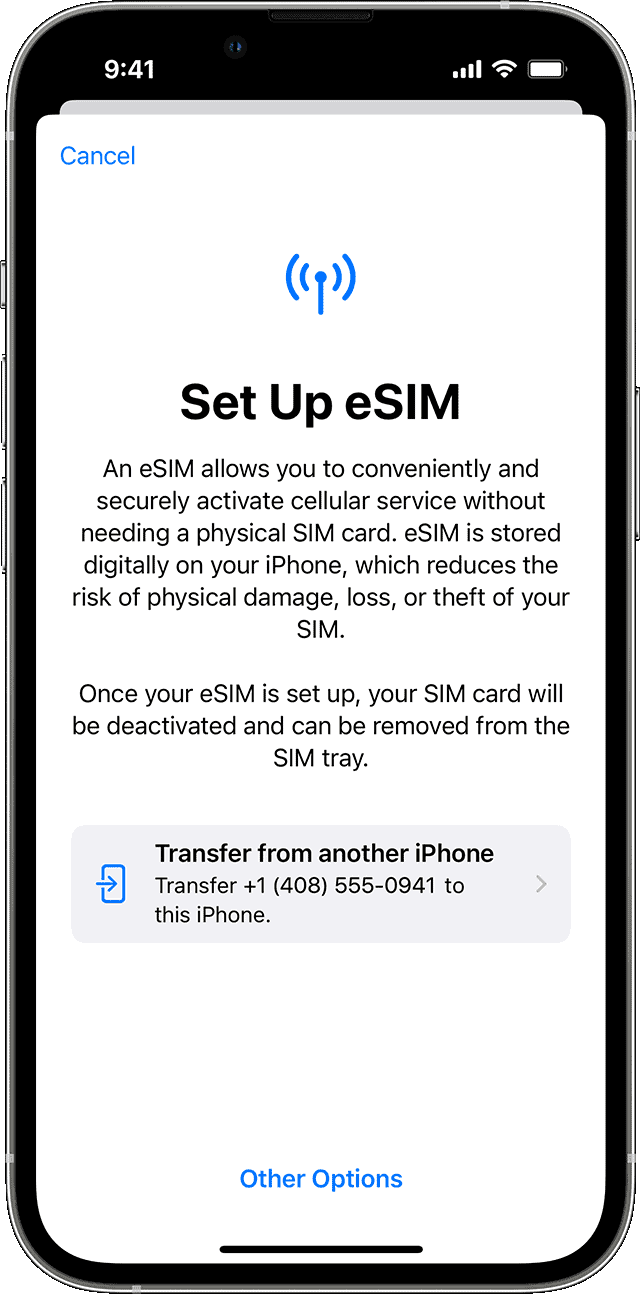
It’s super easy to check if your eSIM is activated on your iPhone. Here’s how:
1. Go to Settings:
2. Tap on Cellular:
3. Check for Your eSIM:
Alternative Method:
That’s it! If you see your eSIM listed, you’re good to go. If not, you’ll need to activate it through your carrier or by scanning a QR code provided by your carrier.
An Easier Way to Manage Cellular Plans
An eSIM is a digital SIM card that replaces the need for a physical SIM card and gives you flexible control over your cellular plans. With an eSIM, you’re able to easily activate new plans, switch between carriers, and manage multiple lines without hassle.
How to Verify Your eSIM
Let’s see if your eSIM is activated on your iPhone:
What if I Don’t See the eSIM?
If your eSIM is not showing up, here are a few things to check:
Additional Ways to Check eSIM Status
Here’s a handy table to help you know at a glance whether your eSIM is working:
Troubleshooting eSIM Activation Issues
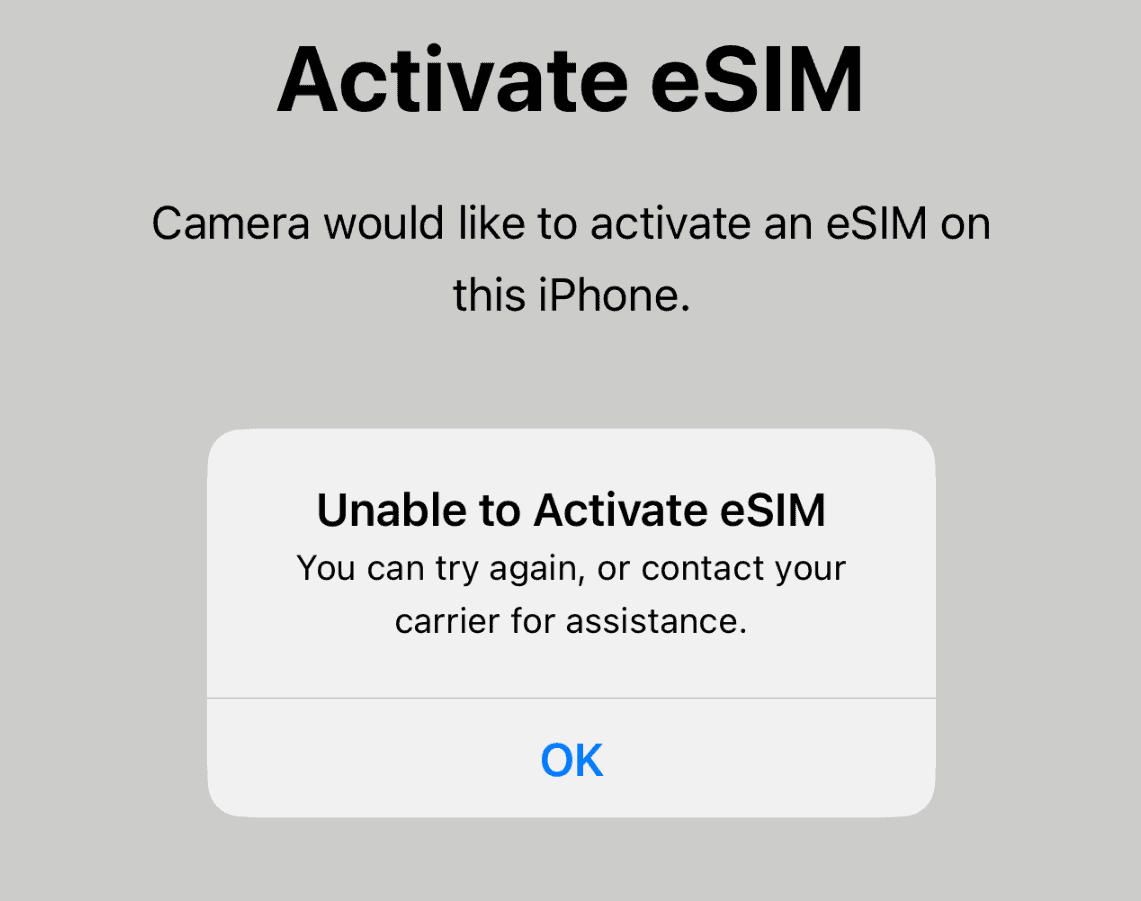
It’s frustrating when you encounter the “Unable to Activate eSIM” error message. But don’t worry, here are some troubleshooting steps to help you get your eSIM up and running:
1. Check Your Internet Connection:
2. Verify Your Carrier Settings:
3. Restart Your iPhone:
4. Reset Network Settings:
5. Check for iOS Updates:
6. Contact Your Carrier:
7. Contact Apple Support:
By following these steps, you may hopefully overcome the “Unable to Activate eSIM” error and get your eSIM working smoothly.
Key Takeaways
Verifying eSIM Activation on iPhone
Activating an eSIM on an iPhone can streamline cellular service without the need for a physical SIM card. This section guides you through checking the activation status of your eSIM to ensure you’re connected.
Accessing Settings and Cellular Menu
To start, open your iPhone’sSettingsand selectCellular. This is where you can manage your cellular plans and view eSIM information. If your phone supports it, like the iPhone XS and later models, you should see your plan listed here.
Understanding eSIM Status Indicators
Once in theCellularmenu, look for a label that shows your eSIM status. If the eSIM is activated, it will typically display the name of your carrier or the label you’ve assigned to it. If you may make and receive calls, send texts, and use data, your eSIM is active.
Troubleshooting eSIM Issues
If the eSIM isn’t working:
Managing Cellular Plans and Carriers on iPhone
When configuring your iPhone for different carriers and data plans, it’s essential to understand how to manage eSIM profiles and switch between physical and electronic SIMs. iPhones running iOS 16 or later support these features, making them handy for frequent travelers or anyone using multiple phone numbers.
Adding and Managing Multiple eSIM Profiles
iPhones are compatible with multiple eSIM profiles, making it easy to add and manage several cellular plans. To add a new eSIM:
If you need to manage or remove existing eSIM profiles, follow these steps:
Switching Between eSIM and Physical SIM
For those with a physical SIM card, iPhones offer the capability of Dual SIM with an eSIM and a physical SIM. This is how to switch between them:
Remember to label your plans with names you will recognize, such as “Personal” or “Work”, to tell them apart easily.
Optimizing eSIM Functionality for Travel
eSIMs are ideal for travelers, offering an easy way to access worldwide service providers without needing multiple physical SIM cards:
Switching back to your primary carrier upon return is just as simple, ensuring you can always use the best plan according to your location and needs.
Frequently Asked Questions
Understanding how to verify the activation of your iPhone’s eSIM can ensure you stay connected. This section sheds light on the common queries users may have about their eSIM status and how to manage it effectively.
What steps are involved in verifying eSIM activation on an iPhone?
You can check if an eSIM is active by opening the Settings app and selecting Cellular. The presence of an eSIM will be indicated under your carrier’s header. If you see an eSIM labeled with the name you assigned it, your eSIM is active.
Can you confirm whether an eSIM is active on an iPhone without contacting the carrier?
Yes, eSIM activation can be confirmed directly from the iPhone’s settings without the need to contact the network carrier. If the eSIM shows under the Cellular plans and you can see its details, it means the eSIM is active.
What indicators show that an eSIM profile is currently in use on an iPhone?
An active eSIM profile usually appears under the Cellular section in Settings. You’ll see the name of the plan you set for your eSIM. If it’s in use, it may also show connection bars at the top of your iPhone’s screen.
How do I determine if my iPhone eSIM is connecting to the network correctly?
Check the signal strength indicator in the screen’s top corner. If the eSIM is not connecting, there may be no signal bars, or you might see an error like ‘No Service’.
Is there a way to view the eSIM status in the iPhone’s settings menu?
Yes, to view eSIM status, open Settings and tap on Cellular. Your eSIM status will be displayed alongside your primary SIM information. If it’s not active, you might see an option to ‘Add eSIM’.
How to ensure eSIM functionality on a new iPhone after installation?
Once you install an eSIM, restart your iPhone. Then, ensure your phone has the latest iOS version. Finally, go to Settings > Cellular to check if the eSIM appears and is selectable. This indicates successful activation and functionality.
